
Corrugated Box Design Tips for Better Brand Recognition
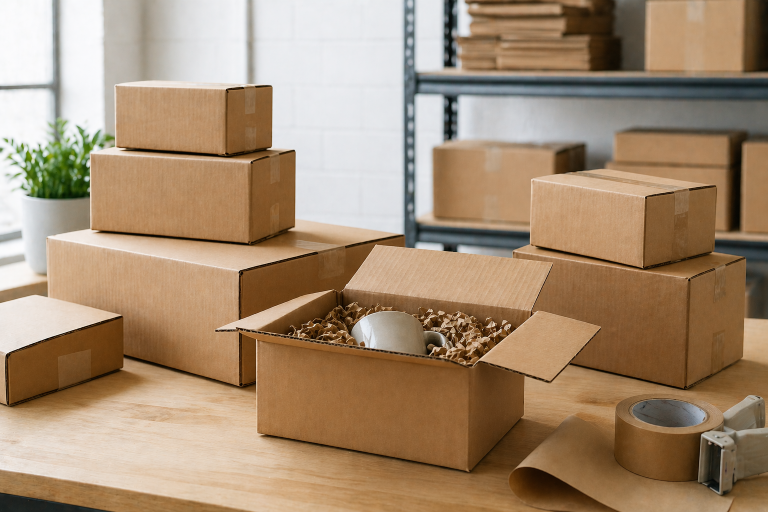
Well-designed corrugated packaging does more than protect products – it builds brand identity and drives sales. Thoughtful structure, layout, and graphics can make even a simple shipping box memorable. This article explores how structural design, dielines/layout, color/typography, printing processes, materials and coatings, sustainability, cost, and unboxing all contribute to brand impact. We provide actionable tips, examples, and resources to help brand managers and designers elevate their packaging.
Structural Design Matters
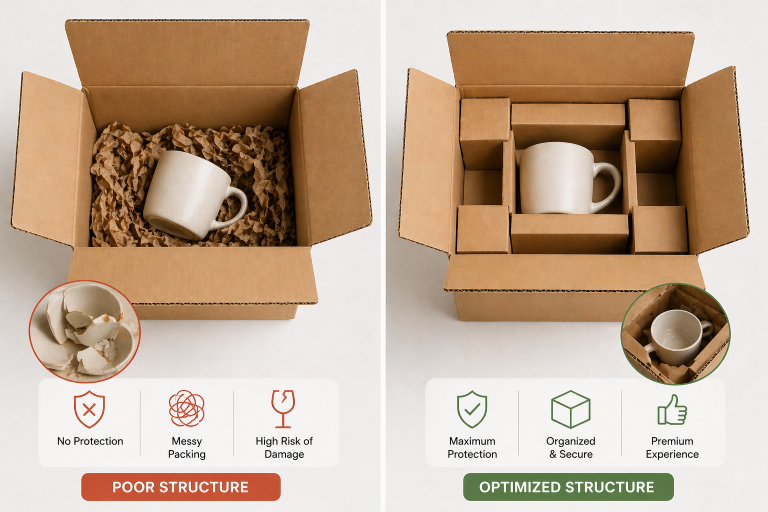
Packaging structure is the hidden foundation of brand experience. It ensures products arrive safely and creates first impressions during opening. Designers should:
- Treat packaging as part of the product development. Early integration ensures the box fits the product shape and brand from the start.
- Balance strength and ease of use. Corrugated’s cushioning (e.g. C- or A-flute) protects heavy items, while clever openings and inserts make unboxing smooth. For example, a computer’s box often has layered trays and easy-lift flaps for a premium feel.
- Optimize for logistics and sustainability. Space-efficient designs reduce waste and shipping costs. Nested or telescoping box styles can maximize stackability. Use structural software and prototyping to test designs before production.
By focusing on the “skeleton” of the package, functionality and brand promise align. A strong structure not only protects items but also signals quality, encouraging confidence before the box is even opened.
Dielines & Layout
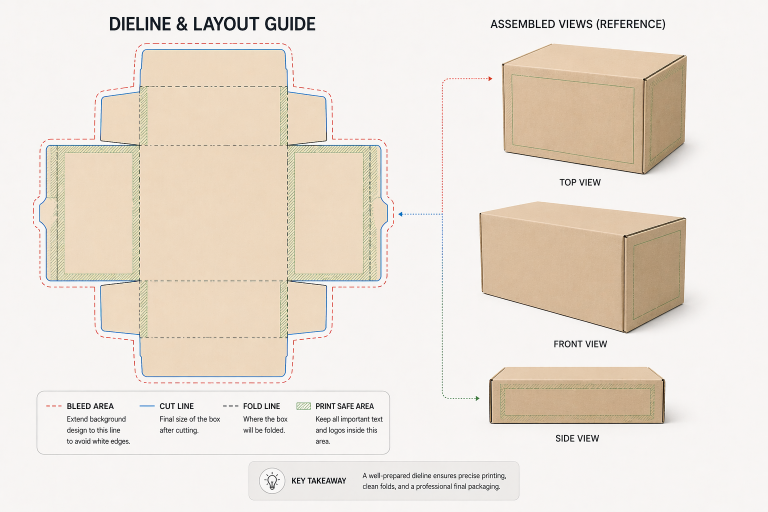
A dieline is the flat layout that guides printing, cutting, and folding of a box. Precise dielines ensure graphics appear where intended and the box assembles correctly. Key points:
- Always develop an accurate dieline to spot mistakes early (e.g. misaligned logo or cut-off graphics). Use bleeds and safety lines so branding elements stay within trim margins.
- Prototype in 3D. Import dielines into 3D software to check that logos and patterns look right when folded. This reveals any artwork issues on corners or edges.
- Consistency is crucial. Dielines support branding by keeping logo placement and brand elements uniform across all boxes. This consistency builds recognition: customers subconsciously notice the familiar layout even in a sea of packages.
Actionable Tip: Keep logos and key text inside “safe zones” on the dieline so they won’t be cut off. Use dielines to plan where product info and barcodes go, balancing compliance with aesthetics.
Color and Typography
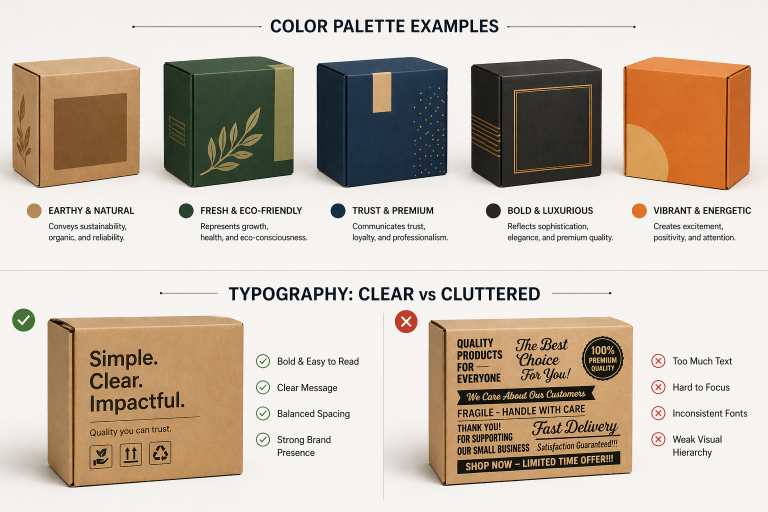
Color and font choices are powerful brand signals. Use your brand palette and fonts consistently on corrugated packaging: this anchors recognition and conveys product positioning. Research shows color drives up to 75% of snap judgments about products, and consistent color usage can boost brand recognition by up to 80%.
- Colors: Use your signature brand colors boldly. Colors evoke emotion and values: reds and oranges convey excitement and energy, blues and greens suggest trust and calm. Maintain uniform hues (Pantone or CMYK values) across all touchpoints to reinforce identity.
- Typography: Choose fonts that reflect your brand personality (modern sans-serif for tech brands, a classic serif for luxury goods). Ensure text (like product names or taglines) is large enough and contrasts well with the background for readability. When fonts align with your brand voice, they become an instant identifier on shelves.
Consistency of color and type creates a cohesive brand experience. Even on a plain brown box, a distinctive logo font or color band can make a box unmistakably “yours.”
Printing Methods
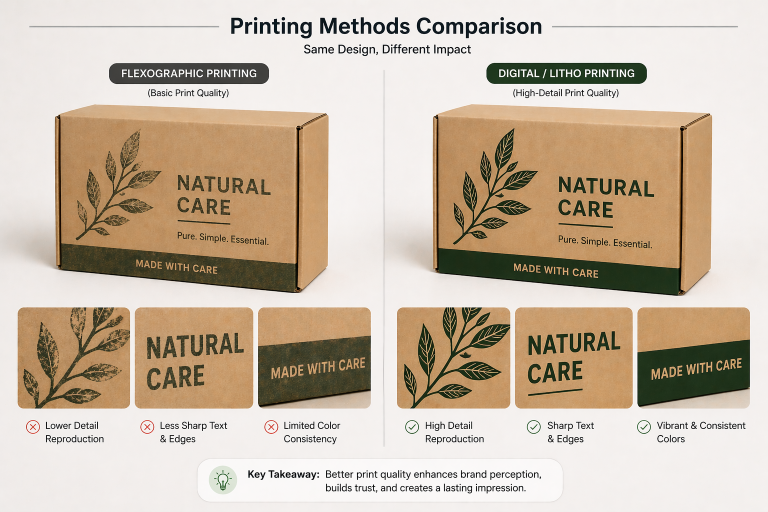
Choosing the right print process balances quality, run-length, and cost. The main methods are Flexographic, Lithographic (Litho), and Digital printing.
Method | Best For | Pros | Cons |
Flexo | High-volume runs on corrugated | Fast, prints directly on board, cost-effective per unit at scale | High setup cost (plates), less efficient for short runs, limited fine-detail vs Litho |
Litho | High-detail, premium graphics | Sharp, high-res images; supports foil embossing; good for flat surfaces or laminate on corrugated | Generally costly setup; needs smooth surface (often lamination); slower turnarounds |
Digital | Short runs, prototypes, variable designs | Low to no setup cost; quick changes; ideal for short runs/testing | Slower output speed; fewer finish options; less economical at large volume |
Sources: Flexo is ideal for large-scale packaging runs, printing directly on corrugated. Litho yields photo-quality prints but usually requires lamination on board. Digital offers flexibility and fast turnaround for small batches.
Materials & Coatings
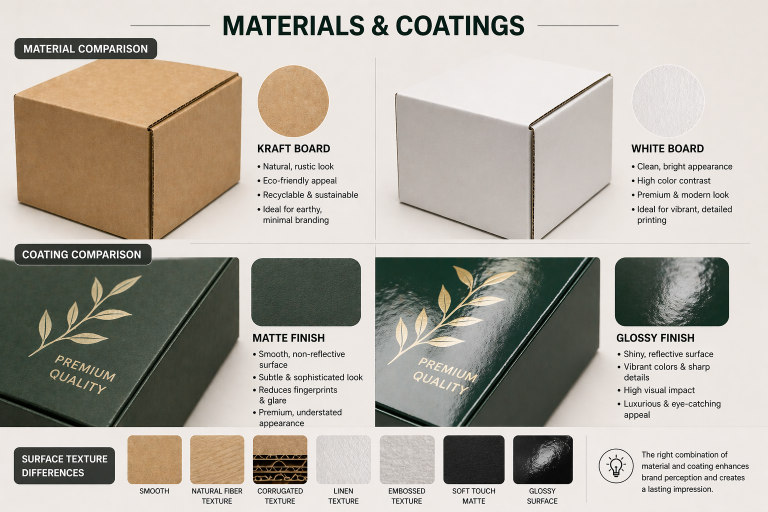
Material choice affects printability, feel, and sustainability. Common corrugated options include different flutes (E, B, C) and liners (virgin kraft, recycled brown, or bleached white). Key comparisons:
Material Option | Cost | Print Quality | Sustainability | Durability |
Brown recycled board | Low | Lower (brown background) | High (uses recycled fiber) | Moderate (C-flute provides cushion) |
Kraft (virgin) board | Medium | Moderate (brown liner; graphics still visible) | Medium (virgin pulp) | Moderate-High (strong liners) |
White-coated liner | Higher | High (bright, true colors) | Medium (often includes virgin fiber) | Moderate (same corrugated core) |
Double-wall construction | High | Lower (thickness shows shadows) | Lower (more material) | High (extra strength for heavy loads) |
For example, E-flute (micro 1.5 mm) offers a very smooth surface for crisp graphics, ideal for premium unprinted or litho-coated boxes. However, thicker flutes (C/A) cost less and cushion better for shipping. Coatings like varnish or lamination add protection or sheen: a gloss UV varnish can make colors pop, while matte lamination conveys elegance. No coating (just standard flexo inks) is common for basic shipper boxes, but luxury brands often use coated laminates or embossing to stand out.
Sustainability & Recyclability
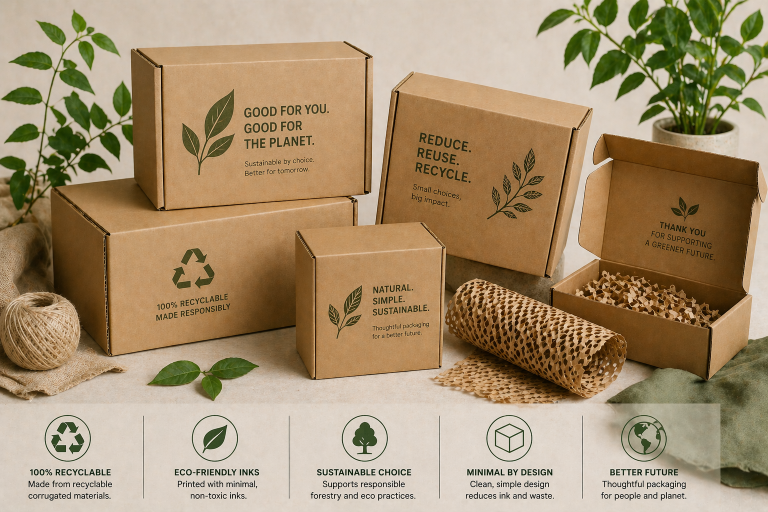
Corrugated cardboard is inherently eco-friendly: it’s renewable and highly recyclable. Key tips:
- Use high-recycled-content board. Many boxes use 70–100% recycled fiber. This appeals to eco-conscious consumers and may reduce costs.
- Right-size packaging to reduce waste. Oversized boxes waste material and often require filler, hurting sustainability and increasing shipping footprints. Custom-fit designs cut excess.
- Choose recyclable coatings. Water-based (AQ) coatings are more eco-friendly than solvent varnishes. Avoid plastic laminates if recyclability is a priority.
- Communicate sustainability. Include recycling logos and brief messages (e.g. “Made from 100% recycled paper” or a recycle symbol) to reinforce your green commitment. Many consumers pay 9.7% more for brands with eco-friendly practices.
Takeaway: Highlight corrugated’s circularity: most boxes get recycled (corrugated’s recycling rate is ~70%), so your branded box is already a sustainable billboard.
Cost vs Impact
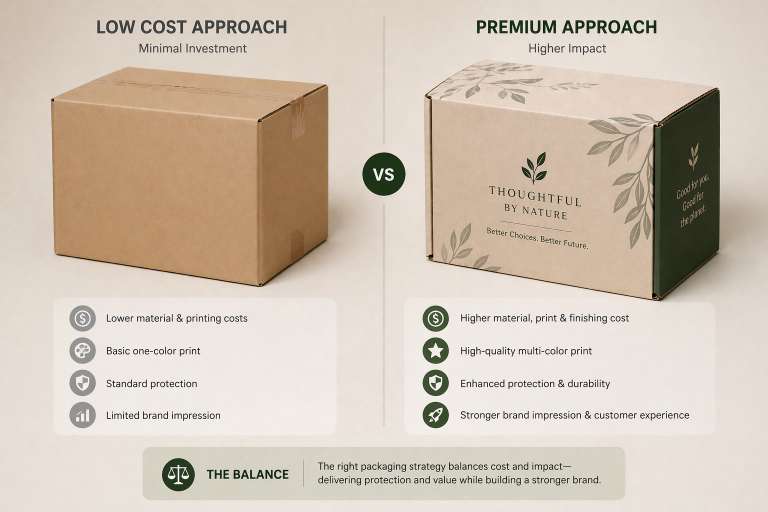
While custom branding adds cost, it often pays off through enhanced perceived value and efficiency. Consider:
- Stock vs. Custom: Stock (blank or simple printed) boxes are cheaper short-term, but may require extra padding or tape, raising hidden costs. Custom fit reduces damage, returns, and wasted filler.
- Volume discounts: Flexo print becomes cost-effective at high volumes, whereas digital can keep costs low for limited runs. Use digital for testing designs or seasonal editions, then switch to flexo when scaling up.
- ROI factors: Premium packaging can command a higher price and build loyalty. Track metrics (sales, repeat buys, return rates) to justify investment.
Always weigh the brand lift of memorable packaging against budget. Often the extra cents per box lead to greater brand recall and sales in the long run.
Unboxing Experience
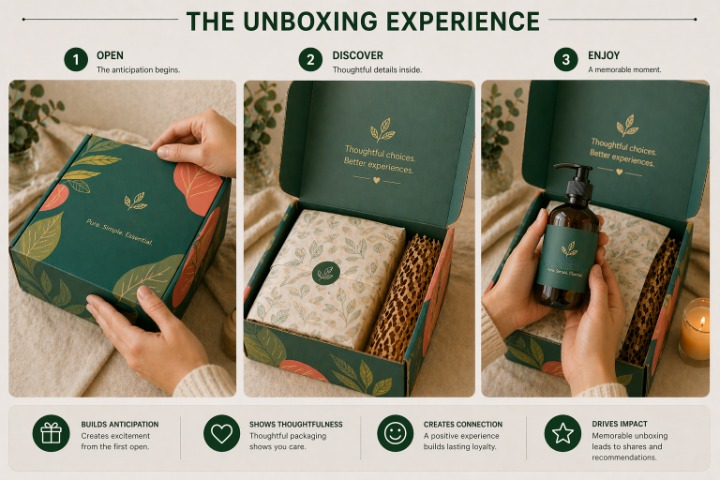
The unboxing is a chance to reinforce brand storytelling. A delightful unboxing can create word-of-mouth buzz (social media “unboxing” videos, reviews) and repeat customers. Tips:
- Use surprises or messaging inside the box, like a thank-you note, branded tissue paper, or a unique pattern on the interior walls. For example, a box with an inspiring message printed inside (like the image below) turns opening into an “experience” instead of a chore.
Creative interior prints (like hidden messages or patterns) can delight customers during unboxing.
- Functional design: Easy-open tear strips or pull tabs improve satisfaction. Strong seal and well-designed flaps show quality.
- Package inserts: Slips with instructions, offers, or small freebies (stickers, samples) extend brand interaction beyond the box itself.
A pleasant unboxing reinforces brand values (fun, luxury, care) and encourages customers to share their experience. Remember, each package is a touchpoint — use it to connect emotionally.
Regulatory and Labeling Considerations
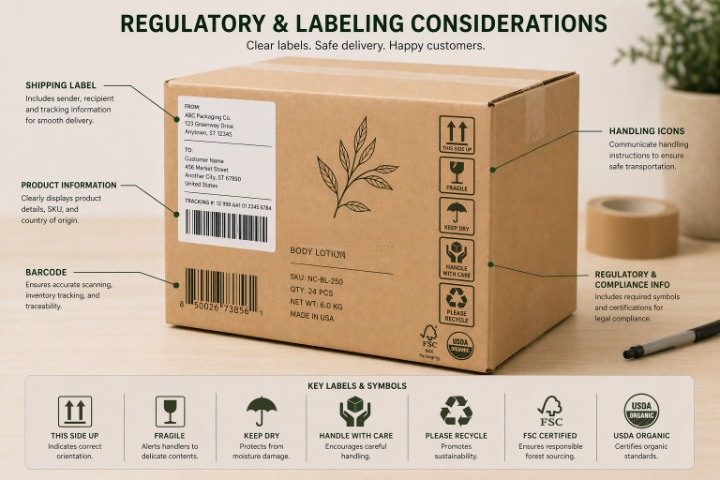
Ensure necessary labeling without cluttering design. For retail and shipping, include:
- Compliance labels: Product info, barcodes, handling symbols (fragile, this side up), and necessary regulatory marks (CE, FCC, food-grade symbols) should be neatly placed. Often these go on the bottom or side flaps to keep the design clean.
- Ingredients/Warnings: If required, include ingredient list or warnings as per regulations (especially for food or cosmetics). You may use a label panel on a flap or inside the box.
- Sustainability logos: Where space allows, add recycling symbols or certification logos (e.g. FSC™) to underline eco-credentials.
Tip: Work early with compliance experts. Integrating label areas into the dieline avoids last-minute layout issues.
Supply Chain and Fulfillment Constraints
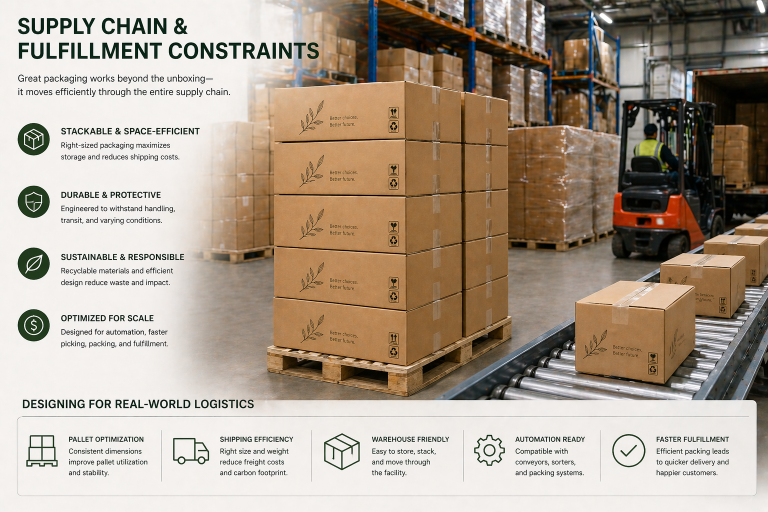
Box designs must suit distribution and warehousing:
- Dimensional weight: Oversized boxes increase shipping cost via DIM pricing. Right-size each SKU’s box to minimize “air” shipped. This also reduces storage volume and waste.
- Stacking and Palletization: Ensure boxes can be stacked securely. Uniform sizes facilitate automated warehousing. Heavy-duty or double-wall boxes may be needed for pallet loads.
- Assembly speed: If fulfillment is manual, simple tuck-top or RSC (regular slotted container) styles speed packing. Complex designs may slow down high-volume packing lines. Balance branding flair with packer ergonomics.
Work with your 3PL or internal logistics team: their packaging tech (cartonization software, dimension scanners) can suggest the ideal box for each order. Good coordination prevents “beautiful box that won’t ship”.
Measuring Brand Impact
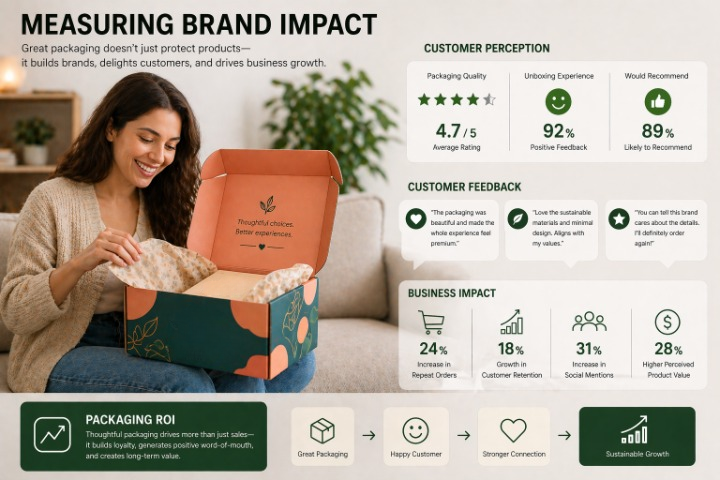
Track how your packaging affects the brand:
- Sales Lift: Compare sales before and after a packaging redesign. Look for higher units sold or premium pricing enabled by the new design.
- Customer Feedback: Survey customers on packaging: did the design stand out? Did it match brand expectation? Online reviews or social media mentions (especially unboxing posts) are proxies for excitement.
- Brand Recall: Conduct quick polls (online or in surveys) asking if customers recognize your box by logo or colors. An increase in brand recall indicates stronger visual identity.
- Repeat Purchases and Loyalty: Packaging that resonates can boost loyalty. Data shows 74% of buyers repurchase from brands with packaging they love. Track retention rates or subscription renewals after packaging changes.
Combine quantitative (sales, returns, on-time delivery) with qualitative (customer sentiment) metrics. Over time, packaging should pay back in brand equity and reduced logistics issues.